Source 30 Mesh Corn Cob Filler for polishing, filtration, and fillers
Compare 30 Mesh Corn Cob Filler options from 30 suppliers in China. View specifications including particle size, density, and customization availability for industrial applications.
Key considerations
Products List


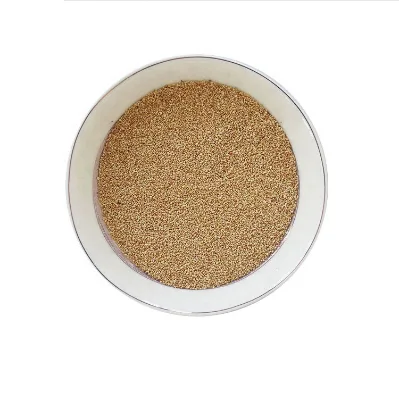


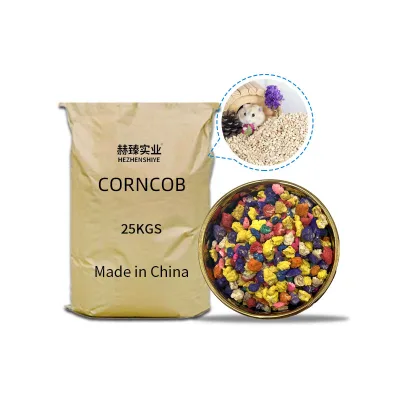
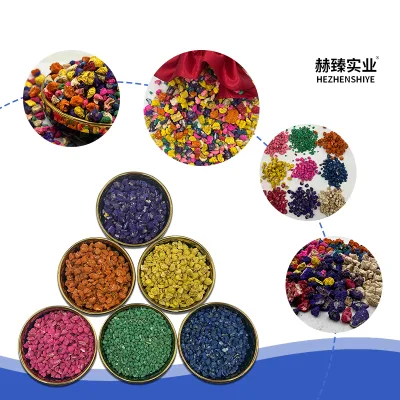
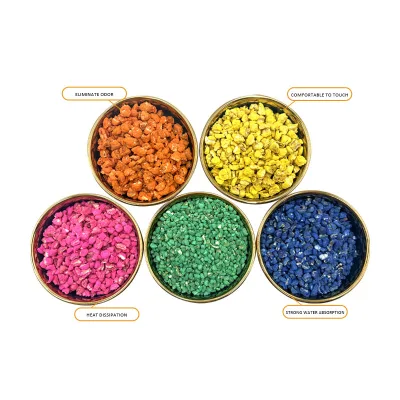
Renewable Corn Cob for Biofuel Production Low Dust Corn Cob for Poultry Bedding
$0.29 - $0.36
MOQ: 2 kilograms

$5000.00 - $20000.00
MOQ: 1 Pieces



China Manufacturer Liquid Filling Machine Filling Machinery Filler
$11125.00 - $12015.00
MOQ: 1 Pieces
Comprehensive Sourcing Guide
Strategic Sourcing Guide for 30 Mesh Corn Cob Filler
Understanding the Material Profile and Technical Specifications
Sourcing a 30 Mesh Corn Cob Filler requires a precise understanding of the raw material's physical and chemical properties, as these attributes directly influence performance in industrial applications. The core keyword implies a specific particle size distribution, which is critical for filtration, polishing, or filler applications. Based on available product data, corn cob abrasives are categorized by their source, which can be either artificial or natural. The natural variant is derived from the raw material known as corn cob, characterized by a specific fiber content and density.
The technical profile of this material often includes a density of approximately 1.15g/Cc for certain grades, while others may exhibit a specific gravity ranging between 0.3 and 0.35. This variance suggests that buyers must verify the specific gravity of the lot they intend to purchase, as it dictates the settling rate and flow characteristics in processing systems. The particle size is a primary specification, with standards often listed in mesh numbers such as 6#, 8#, 10#, 12#, 16#, 24#, 30#, 36#, 46#, 60#, and 80#. The "30 mesh" designation aligns with the standard 30# classification found in these product lines.
Chemical properties are equally vital for compatibility with downstream processes. The pH level of the material is a key indicator of its chemical nature, with observed ranges falling between 5-7 for some grades and 3-6 for others. Buyers must confirm which pH profile suits their specific application to prevent unwanted chemical reactions. Additionally, moisture content is a critical quality metric; observed values include 8.7% and 5.0% for different product models. High moisture can lead to clumping or reduced efficiency in drying processes, making this a parameter that requires strict verification during the sampling phase. The fiber content, often cited around 90.9%, and shell content, which can reach 95%, define the structural integrity and abrasive capability of the filler.
Compliance, Certification, and Regulatory Standards
In the B2B procurement landscape, verifying compliance and certification is non-negotiable, particularly when sourcing industrial fillers that may be used in food processing, pharmaceuticals, or environmental applications. The supply chain for corn cob fillers often involves suppliers operating under international quality management systems. Data indicates that certain product models carry ISO and CE certifications, which are standard markers for quality assurance and safety compliance in global trade. However, the presence of these certifications is not universal across all listed models; some entries do not explicitly list certification status.
Buyers must treat certification claims as observations that require validation rather than guaranteed attributes of every supplier offering the product. When evaluating a potential vendor, the procurement team should request current, valid certificates of analysis (COA) and copies of ISO or CE documentation. The absence of these documents does not necessarily disqualify a supplier, but it necessitates a more rigorous internal audit or third-party testing protocol. Furthermore, the product origin is a significant factor in regulatory compliance. Most observed listings indicate the origin as Henan, China, or generally China. Depending on the destination market, import regulations regarding agricultural by-products may require phytosanitary certificates or specific declarations to ensure the material is free from pests or contaminants.
The standard specifications for the product often include a wide range of mesh sizes, from 5 to 120, with 30 mesh being a specific subset. When a supplier claims compliance with a standard, the buyer should verify that the standard refers to the specific mesh distribution and purity levels required. For instance, the standard list includes 5, 8, 10, 12, 14, 16, 20, 24, 28, 30, 40, 46, 60, 80, 100, and 120. Ensuring that the "30 mesh" product meets the tolerance limits defined in the relevant industry standard is essential. If the application involves sensitive industries, buyers should also inquire about the "Air Contact Way" and "Ventilation Mode" of the processing equipment used to produce the filler, as these can impact the final purity and safety of the material.
Cost Drivers and Pricing Dynamics
The pricing structure for 30 Mesh Corn Cob Filler is influenced by a complex interplay of raw material availability, processing costs, and logistical factors. The observed price range in the market spans from $0.10 to $90,000 USD, a variance that reflects the difference between bulk raw material purchases and highly processed, customized, or specialized grades. This wide range indicates that price alone is an insufficient metric for supplier selection; the unit price must be contextualized against the specific product model, such as "corn-28" or "ccf-62," and the required customization level.
Minimum Order Quantity (MOQ) is a significant cost driver. While some suppliers may offer low MOQs starting at 1 unit, others enforce a minimum of 3 tons. This disparity affects the total cost of ownership, particularly for small-to-medium enterprises. A supplier with a 3-ton MOQ might offer a lower per-unit price due to economies of scale, but the capital outlay is higher. Conversely, a supplier with a 1-unit MOQ offers flexibility but likely at a premium price point. Buyers must calculate the total landed cost, including the MOQ constraint, to determine the most economical procurement strategy.
Logistics and shipping terms also play a pivotal role in the final cost. The primary port of shipment for these products is Shanghai, China. Buyers located far from this port must factor in ocean freight, insurance, and inland transportation costs. The packing method, which can be customized according to the buyer's request or provided in standard containers, impacts shipping efficiency and potential damage during transit. Customized packing may incur additional charges but could reduce waste and handling costs at the destination. Additionally, the condition of the product, listed as "New," and the specific application fields, such as industrial use, can influence the price tier. High-demand applications may command higher prices due to the specialized processing required to meet specific performance criteria.
Typical Applications and Performance Expectations
The versatility of 30 Mesh Corn Cob Filler makes it suitable for a diverse array of industrial applications. The material is primarily utilized as an abrasive, a filler, or a filtration medium. In abrasive applications, the fiber content and hardness are critical. The product is described as having a hardness of "Conventional Abrasive," making it effective for cleaning, polishing, and blasting operations where a softer abrasive is required to avoid damaging the substrate. The specific gravity and density determine its suitability for fluidized bed applications or as a lightweight filler in composite materials.
In filtration and adsorption contexts, the material's adsorbability, which ranges from 50-70%, is a key performance indicator. This property suggests efficacy in applications requiring the removal of impurities or the absorption of specific substances. The pH range of 3-6 or 5-7 allows the filler to be used in environments with varying acidity levels without degrading rapidly. The "Air Contact Way" being "Open" and the "Air Contact Form" being "Wet" indicate that the material is often used in wet scrubbing systems or cooling towers, where its mechanical ventilation and cross-flow cooling capabilities are leveraged.
The following table outlines the potential application areas based on the observed product attributes:
| Application Area | Key Attribute | Performance Expectation |
|---|---|---|
| Industrial Cleaning | Hardness: Conventional Abrasive | Effective removal of surface contaminants without substrate damage. |
| Filtration Systems | Adsorbability: 50-70% | Efficient capture of particulates or chemical impurities. |
| Cooling Towers | Cooling Method: Cross Flow | Optimized heat exchange with mechanical ventilation support. |
| Composite Fillers | Density: 1.15g/Cc or SG 0.3-0.35 | Lightweight reinforcement or bulk filler for plastics/resins. |
| Polishing Media | Particle Size: 30 Mesh | Uniform surface finish on various materials. |
Buyers should verify that the specific product model, such as "YRD-068" or "ccf-75," aligns with the intended application. For instance, a model with high fiber content (90.9%) may be preferred for filtration, while a model with high shell content (95%) might be better suited for abrasive blasting. The "Condition: New" status ensures that the material is free from degradation or contamination that could compromise performance in sensitive applications.
Supplier Evaluation and Sourcing Strategy
Evaluating suppliers for 30 Mesh Corn Cob Filler requires a multi-faceted approach that goes beyond price comparison. The first step is to assess the supplier's origin and logistical capabilities. Most suppliers are located in Henan, China, with Shanghai as the primary port of shipment. Buyers should verify the supplier's ability to handle export documentation and their experience with international shipping from this specific region. The "Port of Shipment" being Shanghai is a standard fact, but the reliability of the logistics partner is a variable that must be confirmed.
Customization capabilities are a strong differentiator among suppliers. The product data indicates that customization is available, with options for "OEM" support and packing according to the buyer's request. This flexibility is crucial for buyers with specific packaging requirements or those needing tailored product specifications. A supplier that offers "Free" samples allows buyers to conduct preliminary testing before committing to a large order. This is a low-risk strategy to verify the physical properties, such as moisture content and particle size distribution, against the supplier's claims.
When evaluating a supplier, buyers should also consider the range of product models they offer. A supplier listing multiple models, such as "corn-1," "corn-29," "ccf-62," and "CCF-023," demonstrates a broader production capacity and the ability to meet diverse needs. The presence of various standards, from 6# to 120#, suggests a mature manufacturing process capable of precise grading. However, buyers must be cautious not to assume that every listed attribute applies to every product. Each model may have unique characteristics, and the "30 mesh" requirement must be explicitly confirmed for the specific model being sourced.
Quality Control and Long-Term Procurement Considerations
Implementing a robust quality control (QC) protocol is essential for maintaining the integrity of the supply chain. Given the variability in attributes like moisture content (ranging from 5.0% to 8.7%) and pH, buyers should establish clear acceptance criteria in their purchase orders. Regular sampling and testing of incoming shipments are necessary to ensure that the material consistently meets the specified standards. The "Sample: Free" attribute mentioned in the data can be leveraged to set a baseline for quality before mass production begins.
Long-term procurement considerations involve building a resilient supply chain that can withstand market fluctuations. The "Customization: Available" and "OEM" support indicate that suppliers are willing to adapt to changing buyer needs. However, buyers should also consider the "Lead Time" and "MOQ" constraints. A supplier with a high MOQ of 3 tons may offer better stability for long-term contracts but could pose risks if demand fluctuates. Conversely, a supplier with a low MOQ offers flexibility but may have higher unit costs.
To mitigate risks, buyers should diversify their supplier base and maintain open communication regarding production schedules and quality metrics. The "Application Fields: Industrial" designation suggests that the material is subject to industrial standards, and buyers should ensure that their internal QC processes align with these expectations. Regular audits of the supplier's production facilities, if feasible, can provide insights into their manufacturing capabilities and quality assurance practices. Finally, buyers should monitor the "Condition: New" status of the product upon delivery to ensure that storage and handling during transit have not compromised the material's integrity. By adhering to these strategies, buyers can secure a reliable supply of high-quality 30 Mesh Corn Cob Filler for their industrial operations.
FAQs
What is the typical density of 30 Mesh Corn Cob Filler?
The typical density is 1.15g/Cc for certain grades, while others exhibit a specific gravity between 0.3 and 0.35. Buyers must verify the specific gravity of the specific lot intended for purchase as it dictates settling rates and flow characteristics in processing systems.
Which certifications are available for 30 Mesh Corn Cob Filler?
Certain product models carry ISO and CE certifications which serve as standard markers for quality assurance and safety compliance. Buyers should request current certificates of analysis and copies of these documents to validate the supplier's claims before procurement.
How does the price range vary for 30 Mesh Corn Cob Filler?
The observed price range spans from 0.1 to 90000 USD depending on the product model and customization level. This variance reflects the difference between bulk raw material purchases and highly processed grades, requiring buyers to calculate total landed costs.
Can buyers request custom packaging for 30 Mesh Corn Cob Filler?
Yes, customization is available with packing options provided according to the buyer's specific request or in standard containers. Customized packing may incur additional charges but can reduce waste and handling costs at the destination port.
What is the minimum order quantity for 30 Mesh Corn Cob Filler?
Minimum order quantities vary significantly, with some suppliers offering 1 unit while others enforce a minimum of 3 tons. Buyers must calculate the total cost of ownership based on these constraints to determine the most economical procurement strategy.
Where is the primary port of shipment for 30 Mesh Corn Cob Filler?
The primary port of shipment is Shanghai, China, for most observed listings. Buyers located far from this port must factor in ocean freight, insurance, and inland transportation costs when calculating the final price of the material.